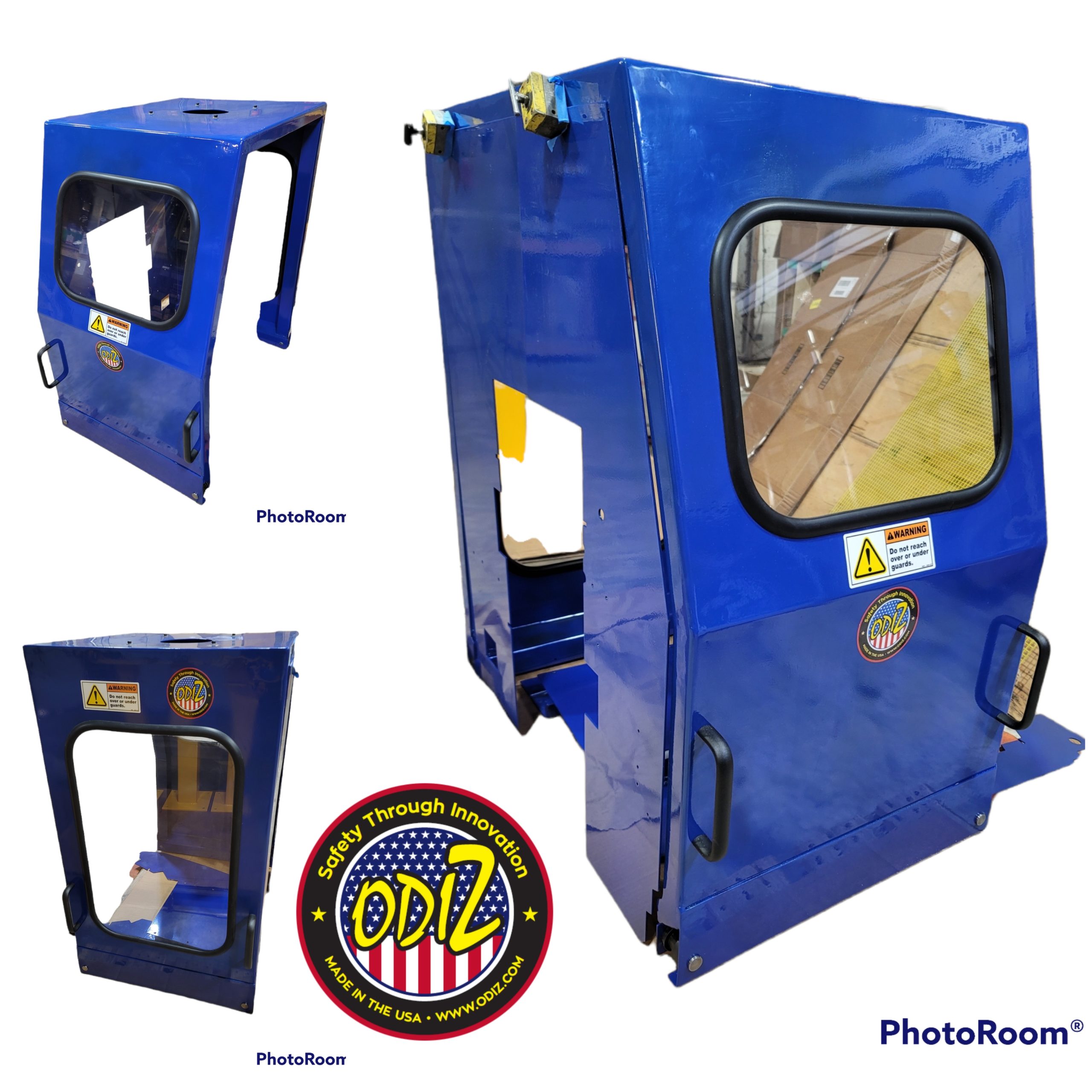
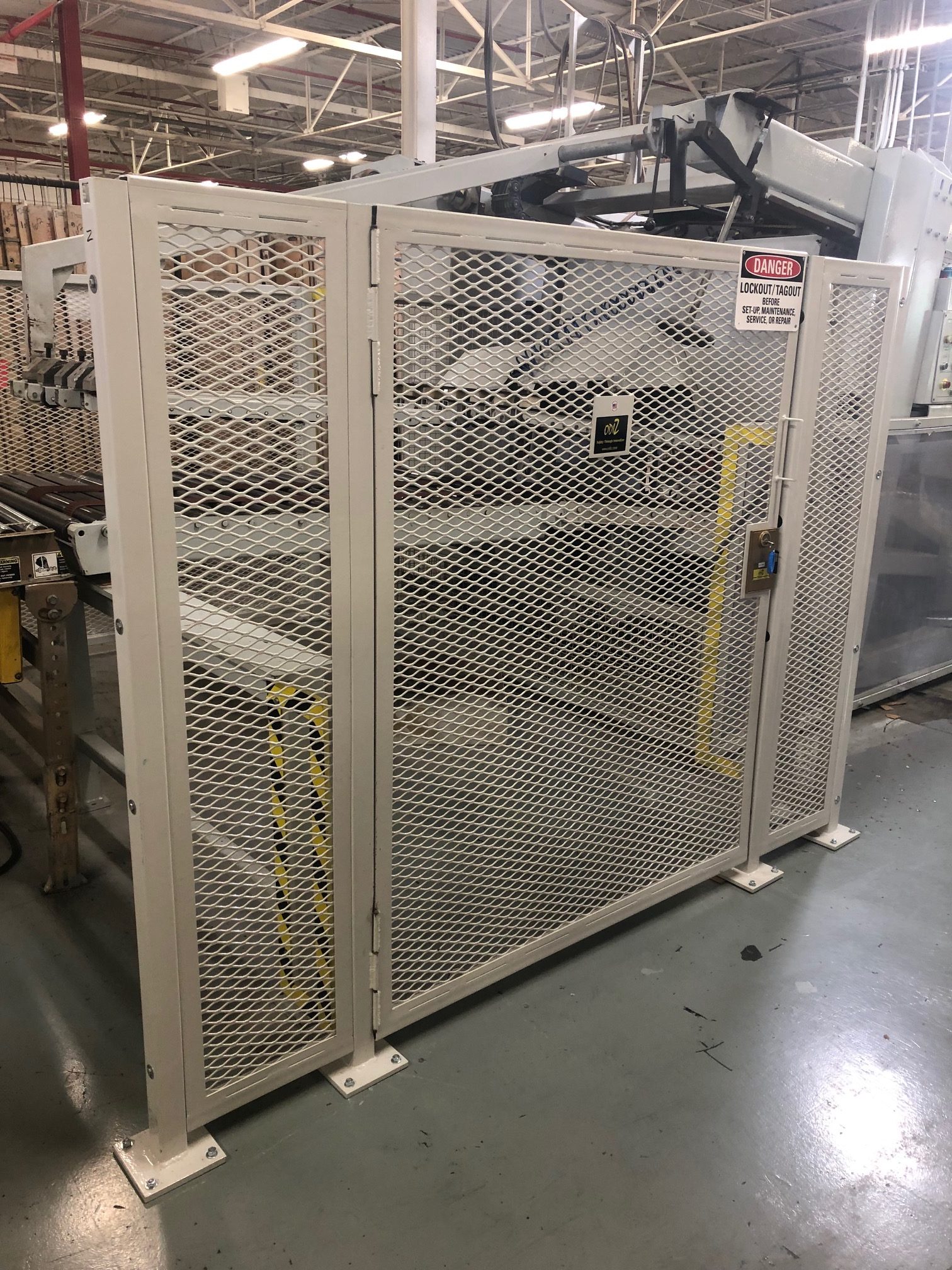
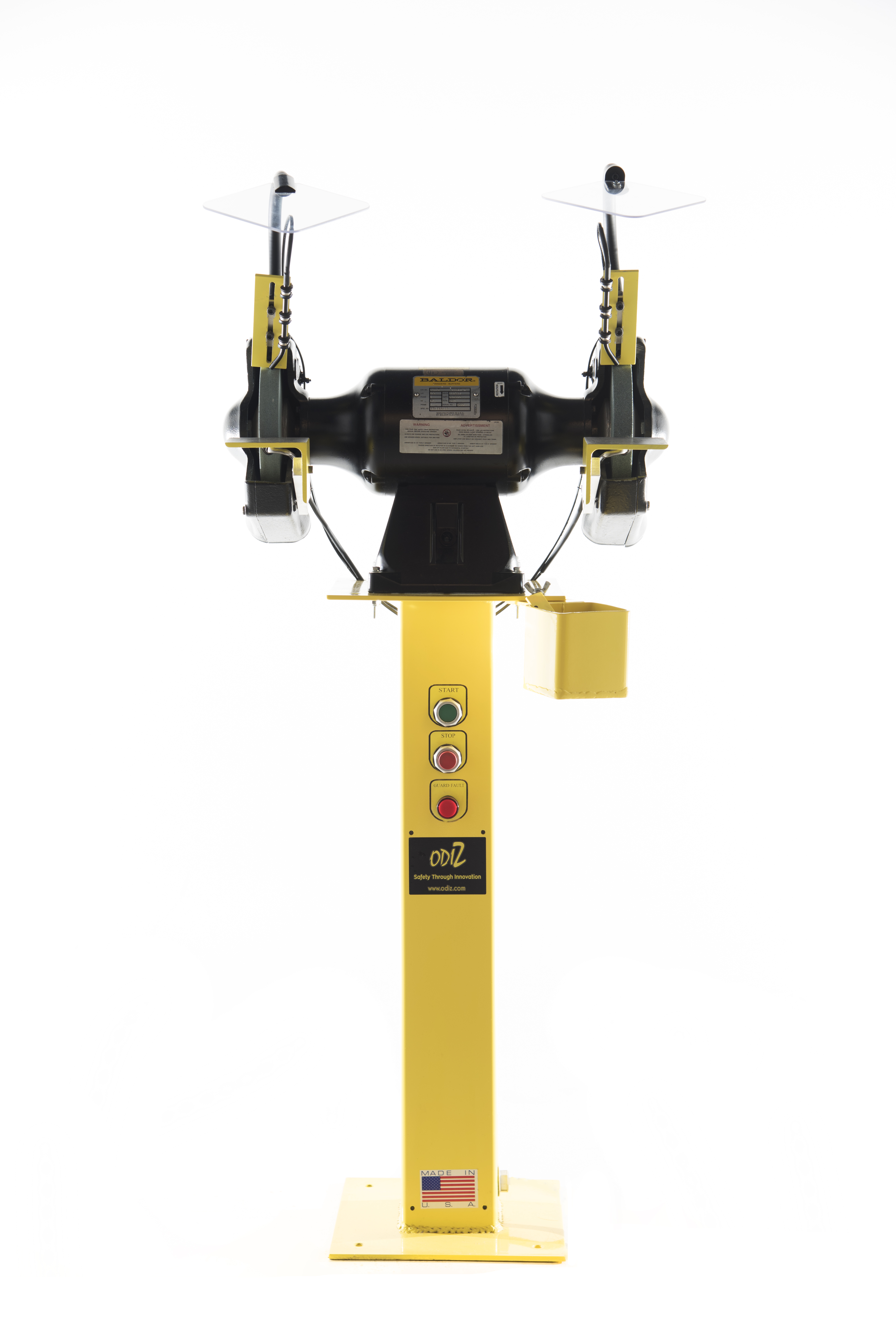
Safety Through Innovation · Made in the USA
Safety Through Innovation · Made in the USA
OSHA 1910.212(a)(2) defines the construction and design requirements for machine guards, ensuring they are strong, secure, and effective in protecting workers from mechanical hazards without introducing new risks.
31 products
OSHA 29 CFR 1910.212(a)(2) establishes the design and construction standards for machine guards.
This provision requires that guards be securely fastened to the machine and designed to protect operators and nearby employees from injury caused by moving parts, flying debris, or accidental contact.
The intent is to ensure that guarding not only provides protection but also does not create new hazards in the process.
The focus of 1910.212(a)(2) is performance-based guarding design.
OSHA does not prescribe specific guard materials or thicknesses; instead, the guard must perform effectively under real-world conditions.
Employers have the flexibility to design guards suited to their machines—as long as the guarding prevents contact and remains in place during operation.
Even when a guard is present, poor design or weak construction can fail to protect workers.
OSHA 1910.212(a)(2) ensures that guards are engineered and maintained to perform effectively throughout a machine’s life cycle.
Properly designed guards prevent crushing, amputation, and laceration injuries while maintaining usability and productivity.
OSHA allows any material—metal, mesh, polycarbonate, or composite—provided it withstands normal use and impact and prevents access to danger zones.
Yes, guards may be removable for maintenance, but they must be securely fastened during operation and replaced immediately after servicing.
No. OSHA 1910.212(a)(2) is performance-based. The employer must ensure that the guard effectively prevents exposure and remains securely attached.