B11.3 — Safety Requirements for Power Press Brakes
The B11.3 standard (ANSI B11.3-2012 (R2020)) applies to machines classified as power press brakes — machines designed specifically to bend material by use of a ram, dies, tooling and associated feed/back-gauge systems. :contentReference[oaicite:0]{index=0}
Its primary objective is to eliminate, control or reduce hazards to individuals associated with power press brake use throughout the machine lifecycle. :contentReference[oaicite:1]{index=1}
Scope & Exclusions
B11.3 applies exclusively to press brakes—machines furnished for bending material (sheet, plate, etc.) by means of fixed or moving dies. :contentReference[oaicite:2]{index=2}
The standard specifically excludes mechanical power presses, hydraulic or pneumatic power presses (for other press types), powered folding machines, hand brakes, tangent benders, apron brakes and similar machines. :contentReference[oaicite:3]{index=3}
Key Safety Topics Addressed
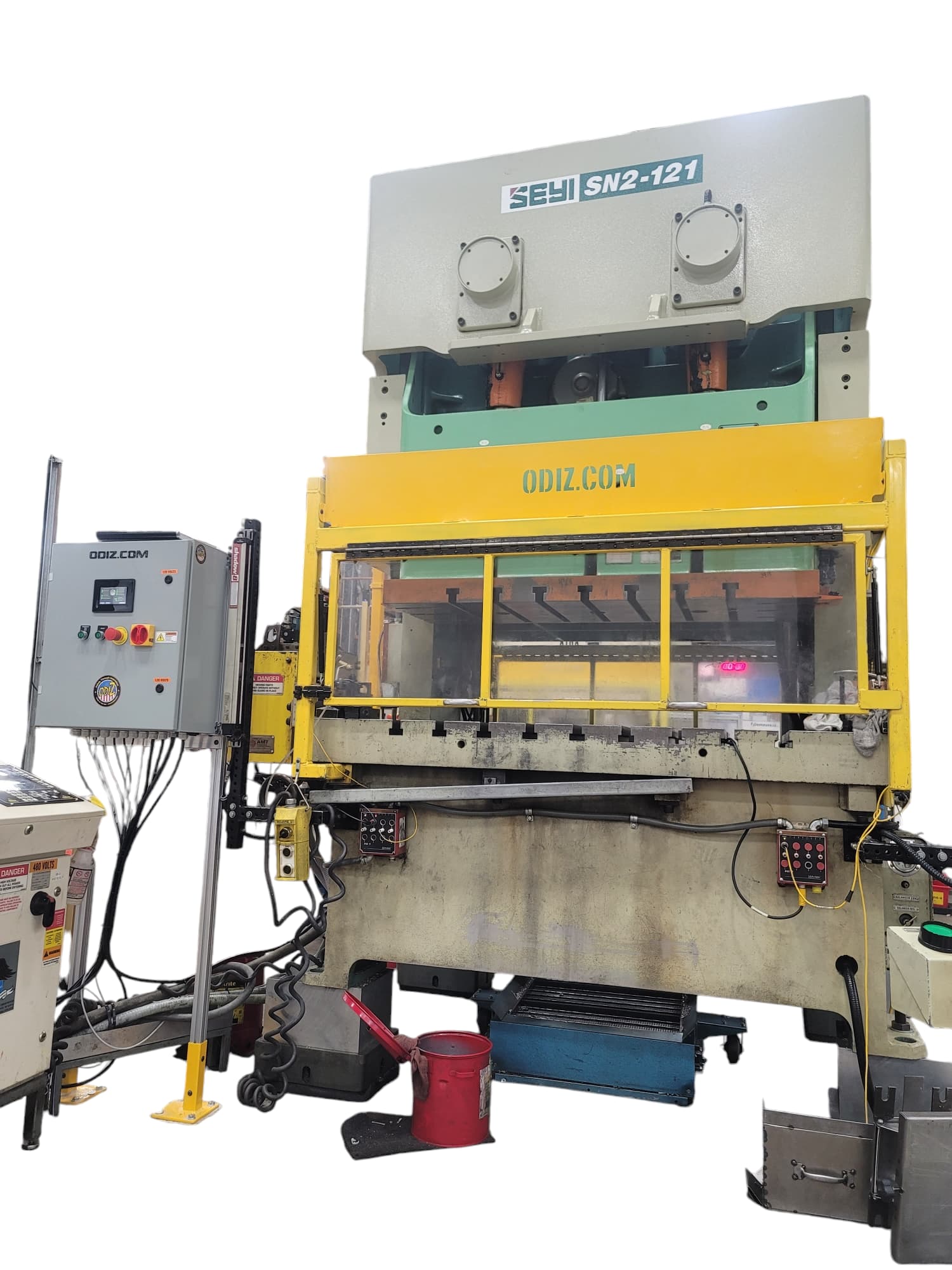
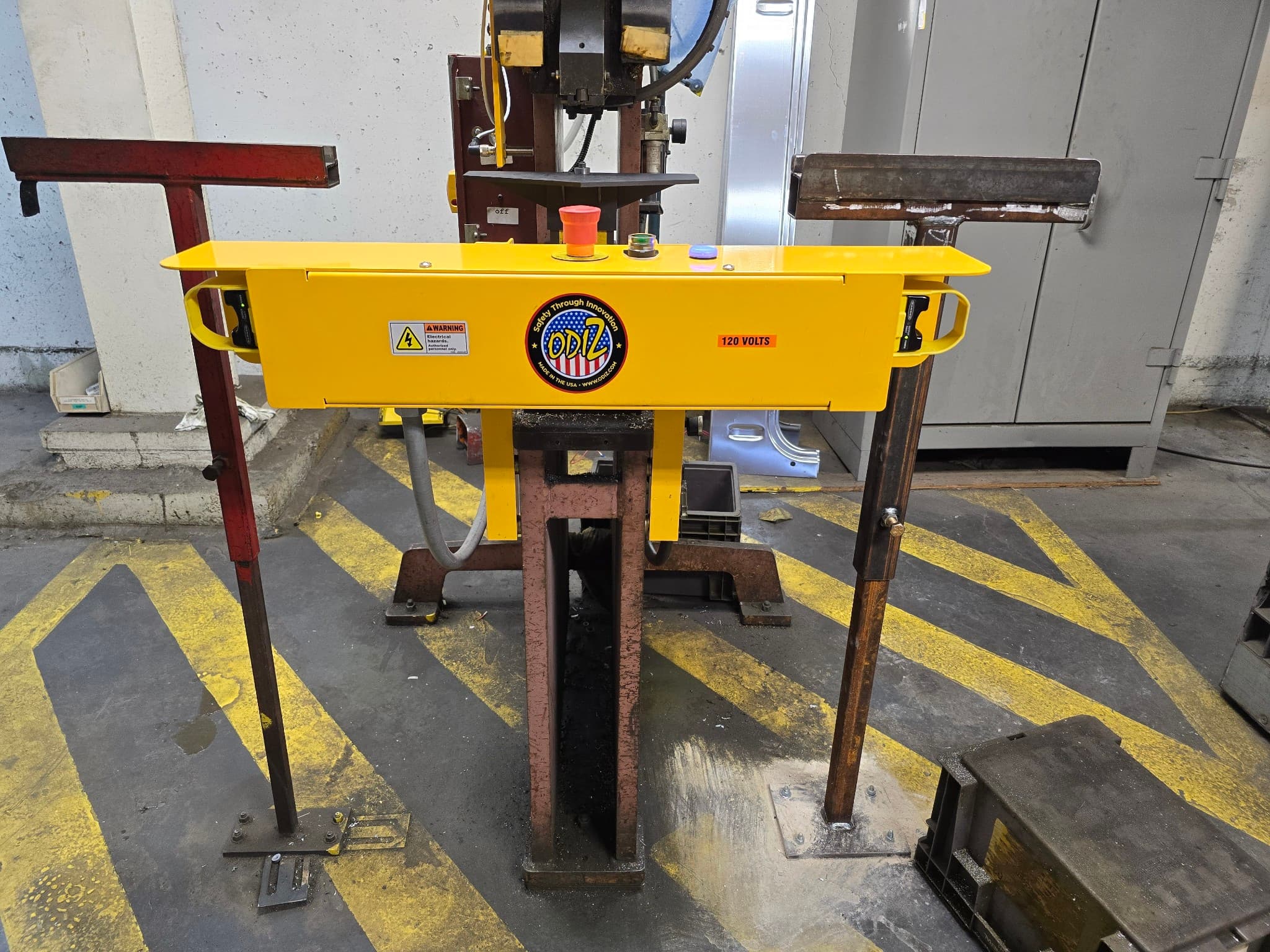
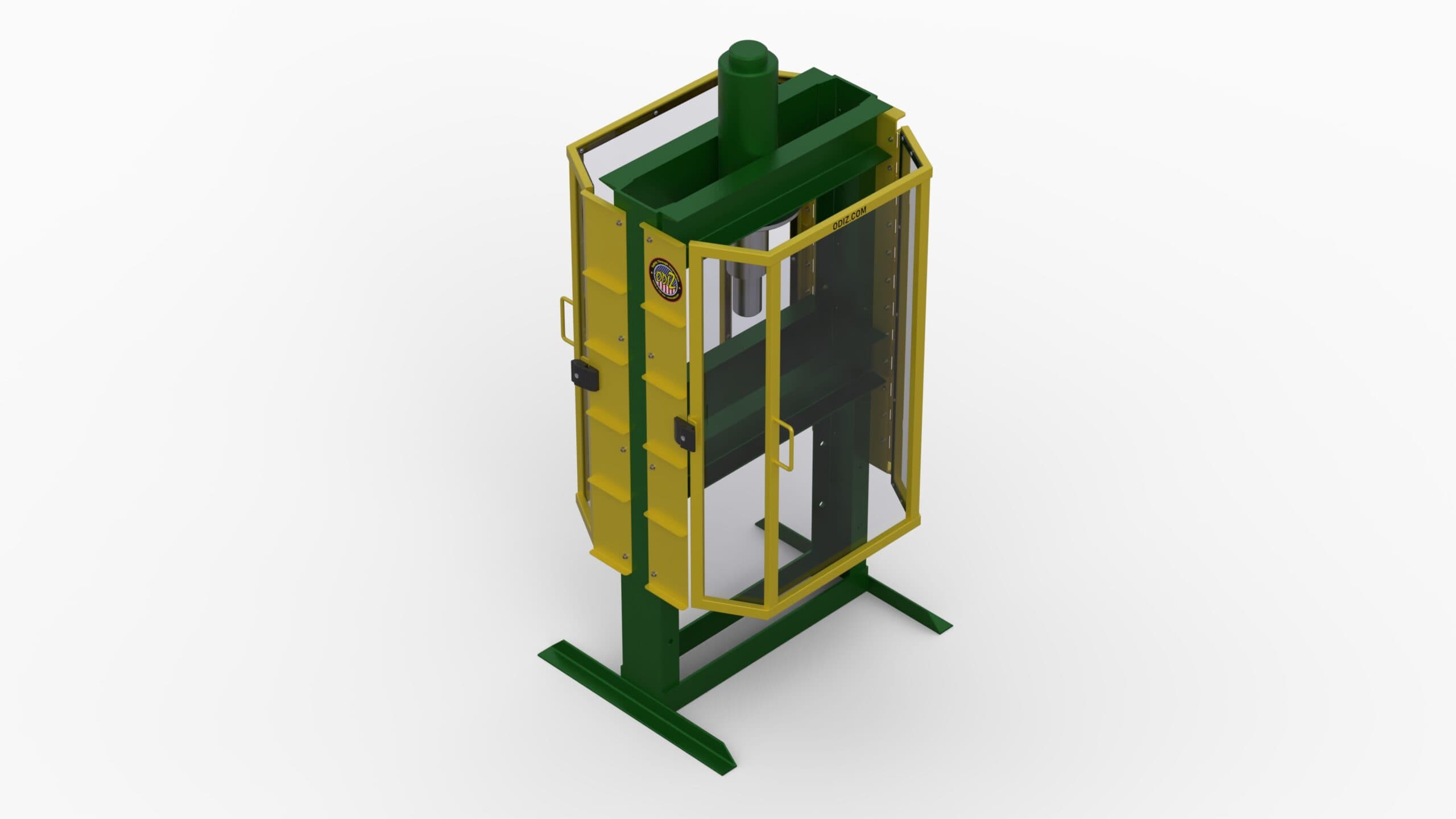
- Point of operation safeguarding: Protecting the operator and helper from the die-closing area, material feed zones, back gauges and other pinch/crush hazards. :contentReference[oaicite:4]{index=4}
- Control modes & actuation systems: The standard distinguishes machine types (general-purpose vs special-purpose) and specifies required controls such as interlocks, two-hand controls, safe-speed, anti-repeat, single-stroke capability for certain machines. :contentReference[oaicite:5]{index=5}
- Safe distance & alternative safeguarding methods: Where fixed guards are not feasible, the standard allows “safe distance” methods under specific conditions—but as guidance requires methods to be substantiated. :contentReference[oaicite:6]{index=6}
- Die changeover, setup, maintenance & mode transitions: Requires safe practices for tooling installation, maintenance lock-out, guarding during non-production modes, and verification after modification or retrofit. :contentReference[oaicite:7]{index=7}
- Lifecyle and responsibility allocation: The standard addresses roles and obligations of machine builders/suppliers, integrators or modifiers, and users/owners in design, installation, operation, maintenance, modification and decommissioning. :contentReference[oaicite:8]{index=8}
Why It Matters
Power press brakes are high-force machines used in bending operations; they involve ram motion, tooling change, material feed/back-gauge, and potential exposure of hands or other body parts to pinch, crush, or ejection hazards.
Because of the variety in press-brake configurations (mechanical, hydraulic, servo) and workpiece handling methods, B11.3 gives a structured framework so employers and machine builders can apply recognized engineering practices to guard them effectively. :contentReference[oaicite:9]{index=9}
Practical Implementation Tips
- Perform a risk assessment specific to the press brake: consider material size/thickness, tooling change frequency, back-gauge accessibility, operator posture during loading/unloading.
- Identify machine type (general-purpose vs special-purpose) and ensure control system meets the standard’s requirement for that category (e.g., anti-repeat, safe-speed, two-hand control etc.).
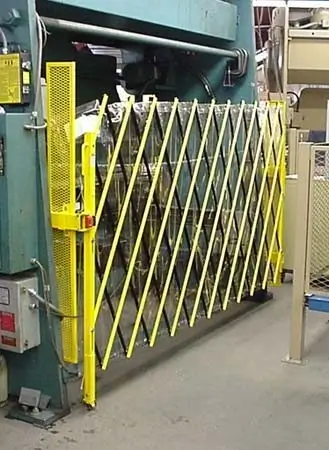
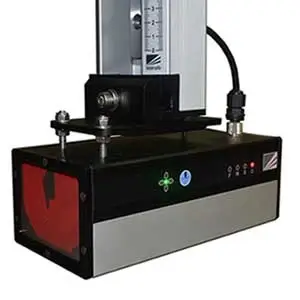
- Evaluate guarding options: fixed barriers, adjustable guards, presence-sensing devices, two-hand controls, safe-speed monitoring. If barrier is infeasible, document justification for “safe-distance” method under the conditions allowed by the standard. :contentReference[oaicite:10]{index=10}
- Calculate or validate stopping time of the ram and safe distance if presence-sensing/light curtain is used; maintain records of stop-time measurements, testing and training. :contentReference[oaicite:11]{index=11}
- Train operators and maintenance personnel: focus on load/unload hazards, die changeover, back-gauge interaction, feeding methods, reach-in hazards, and safe practices when override or maintenance mode is used. :contentReference[oaicite:12]{index=12}
- Upon machine modification, rebuild or retrofit, treat the machine as effectively new: re-validate risk assessment, safeguards, controls, training and documentation. :contentReference[oaicite:13]{index=13}