Odiz Three Roller Bending machine E-stop Pull Cord Kit
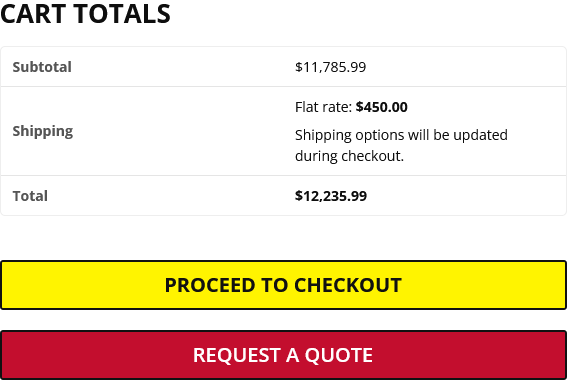
$2,495.00


| Weight | 5 lbs |
|---|---|
| Dimensions | 12 × 12 × 12 in |
Used to Retrofit older 3-roller bender machines with no safeties
Used to prevent getting close to the machine or emergency stop purposes
If you need enhanced safety system please contact us at www.odiz.com
If you need technical assistance about the application, feel free to try our virtual design assessment tool at the machine. It should only take 5 minutes to get us the information required to accurately quote you a solution:
Not sure where to start? Reach out to our team to learn more.
To request more information about this product or service, please complete the form below. You can also chat live with one of our specialists via the widget in the bottom-right corner of your screen or call us at (574) 318-4333.
Used to Retrofit older 3-roller bender machines with no safeties
Used to prevent getting close to the machine or emergency stop purposes
If you need enhanced safety system please contact us at www.odiz.com
Kit includes:
- Mini Duty Rope Pull Safety Switch – GLM 2NC, 1NO, ½” NPT
- Rope Kit / Rope Only – 50′, Galvanized
- Stainless Steel Safety Spring
- Rope Pulleys – Galvanized, 0.25″ L, 0.13″ H, w/ 0.065″ Fixing Hole Centers – Qty 6
- Spring Eye Bolt Arms – Qty 4
If you need technical assistance about the application, feel free to try our virtual design assessment tool at the machine. It should only take 5 minutes to get us the information required to accurately quote you a solution:
1910.212(a)(3) – Point of Operation Guarding
OSHA 1910.212(a)(3) — Point of Operation Guarding
OSHA 29 CFR 1910.212(a)(3) sets forth the point of operation guarding requirements for machinery used in general industry.
The “point of operation” is the area on a machine where work is performed—such as cutting, shaping, boring, forming, or assembling a part.
This section requires that each machine have a guard or safeguarding device that prevents the operator from having any part of the body in the danger zone during operation.
Purpose and Scope
The purpose of 1910.212(a)(3) is to eliminate exposure to moving tools or dies that can cause crushing, amputation, laceration, or puncture injuries.
It applies to all machines with a point of operation hazard, regardless of size or industry.
Typical examples include presses, saws, milling machines, lathes, shears, and drills.
Key Requirements
- Every machine must be equipped with a guard that prevents the operator from reaching into the danger zone.
- Guards must be designed and constructed to provide maximum protection while allowing the machine to be operated safely and efficiently.
- Special hand tools may be used to handle materials when guarding at the point of operation is not practical.
- Guards must be securely fastened, maintained in place, and not easily removed or bypassed during operation.
- Safeguarding devices such as light curtains, presence-sensing devices, or two-hand controls may be used if they provide equivalent protection.
Examples of Point of Operation Hazards
- Cutting blades or rotating cutters that can amputate or lacerate fingers.
- Press dies or molds that can crush hands or fingers during operation.
- Drill bits, boring tools, or milling heads that can pierce or entangle body parts.
- Shearing or punching points that can sever material—and body parts—with the same force.
Acceptable Guarding Methods
- Fixed barrier guards enclosing the point of operation.
- Interlocked guards that stop machine motion when opened or removed.
- Adjustable or self-adjusting guards that move automatically to block access as material is fed.
- Two-hand controls requiring both hands to activate the cycle, keeping them out of danger.
- Electronic presence-sensing devices such as light curtains or safety mats that halt motion when triggered.
Common Violations
- Operating a machine with missing or disabled point of operation guards.
- Using hand-feeding where fixed or adjustable guards should be installed.
- Removing guards to increase production speed.
- Failure to provide safeguarding when machine design allows operator access to hazardous movement.
Compliance Tips
- Identify all machine points of operation and assess potential contact hazards.
- Install fixed guards where feasible; use engineered safety devices when full enclosure is not possible.
- Inspect all guards before each shift and re-secure after adjustments or maintenance.
- Train operators to recognize guarding deficiencies and to report missing or damaged safety devices immediately.
Why OSHA 1910.212(a)(3) Is Important
Point of operation injuries are among the most severe and preventable workplace incidents.
By enforcing 1910.212(a)(3), OSHA ensures that all machines have reliable guarding or safety devices that keep operators’ hands, fingers, and bodies outside the danger zone during work.
This rule remains one of the most frequently cited machine safety violations nationwide.
FAQ
What is considered the “point of operation” under 1910.212(a)(3)?
It is the location on a machine where work is actually performed on the material—such as cutting, shaping, forming, or drilling.
Can a hand tool substitute for a guard?
Only when physical guarding is not practical. Even then, special hand tools must be designed to keep hands a safe distance from the danger zone.
Do presence-sensing devices meet OSHA’s requirements?
Yes, if they provide equal or greater protection than a physical barrier and prevent any part of the body from entering the hazard zone during operation.
1910.212(a)(3)(iv)(a) – Guillotine cutters
OSHA 1910.212(a)(3)(iv)(a) — Guillotine Cutters
Guillotine cutters use a descending knife to shear material (e.g., paper, plastic, thin metal, gasket stock).
Because the point of operation exposes workers to a sharp blade and clamping action, OSHA lists guillotine cutters as equipment that usually requires point-of-operation guarding.
Proper safeguards must keep hands and other body parts out of the danger zone for every cycle.
Primary Hazards
- Amputation and deep lacerations from the descending knife.
- Crush and pinch injuries from the hold-down clamp or back-gauge movement.
- Unexpected cycling due to control or interlock failures.
Required Guarding Outcomes
- Inaccessible blade: Guards or devices must prevent hand entry into the cutting zone during any stroke.
- Safe clamping: Hold-down mechanisms must not create new pinch points or allow reach-around access.
- Secure, durable construction: Guards remain in place under vibration and normal use and cannot be easily bypassed.
Common Safeguarding Methods for Guillotine Cutters
- Fixed barrier or transparent hood covering the knife area with openings sized to block finger/hand access.
- Interlocked front shield that prevents a cycle unless the shield is closed; opening the shield stops motion.
- Two-hand controls (simultaneous actuation) that require both hands away from the blade to initiate each cut.
- Presence-sensing devices (where appropriate) that stop hazardous motion if the sensing field is interrupted.
- Rear guarding/back-gauge protection to eliminate reach-in from the back side of the table.
- Hold-down clamp guards or shrouds that prevent fingers from entering between the clamp and table.
Best Practices
- Use two-hand controls or interlocked shields as the primary safeguard; do not rely on procedures alone.
- Verify safety distance and opening sizes so that hands cannot reach the blade before motion stops.
- Provide anti-repeat controls and require a new two-hand command for each cut.
- Perform pre-shift checks of interlocks, guards, two-hand controls, and emergency stop.
- Lockout and tag out before changing knives, adjusting back-gauges, or clearing jams.
- Train operators on safe feeding techniques—never hand-hold small stock in front of the blade; use push sticks, guides, or fixtures.
Compliance Checklist
- Blade area guarded (fixed, interlocked, or device) — no hand access during the cut.
- Two-hand control or equivalent safeguarding installed and functional.
- Rear and side access points guarded; back-gauge movement not exposed.
- Hold-down clamp guarded or designed to prevent pinch access.
- Controls include anti-tie-down/anti-repeat; emergency stop accessible.
- Daily functional tests documented; damaged guards or failed interlocks remove machine from service until corrected.
FAQ
Is a transparent front guard acceptable?
Yes, if it is impact-resistant, interlocked or fixed, and its openings and distance prevent finger/hand entry during the stroke.
Can procedures replace guards on a guillotine cutter?
No. Administrative procedures are not a substitute for point-of-operation guarding; engineering safeguards must physically prevent access.
Do older manual lever-type cutters need guarding?
Yes. Hand or foot-operated guillotines still present amputation hazards and usually require guards or two-hand controls to prevent hand entry.
1910.212(a)(3)(iv)(b) – Shears
OSHA 1910.212(a)(3)(iv)(b) — Shears
Under OSHA 29 CFR 1910.212(a)(3)(iv)(b), shears are among the equipment types that “usually require point-of-operation guarding” because their operation typically presents significant hazards at the cut zone.
Shears, which cut material by a downward blade motion or sliding blade action, create high risk of hand or finger entrapment, lacerations, and amputations if not properly guarded.
Why Shears Require Point-of-Operation Guarding
- Cutting motion hazard: The shearing action of the blades converging presents a direct risk of severing.
- High force application: Shears often apply substantial force to cut material, increasing potential injury severity.
- Operator feed zone: Material is typically fed manually into the shear’s point of operation, creating exposure unless guard/interlock is in place.
- Pinch & crush points: In addition to blade exposure, hold-down clamps or back-gauges may expose workers to pinch points.
Typical Safeguarding Methods for Shears
- Fixed or adjustable barrier guards: To block access to the blade area during cutting, sized to prevent hand entry.
- Interlocked guard doors or gates: Stops the machine if the guard is opened or removed before the cycle completes.
- Two-hand controls or two-hand tripping devices: Forces operator’s hands to be away from the blade when a cut is initiated.
- Presence-sensing devices and light curtains: For operations where manual feeding is necessary but still must ensure no body part enters the danger zone.
- Back-gauge or hold-down clamp guarding: Shields the operator from pinch or crush hazards behind the blades or under the clamp.
Best Practice Compliance Checklist for Shears
- Verify the blade area is fully guarded during the entire cutting cycle.
- Ensure the guard prevents hand, finger, or body entry at any point of operation motion.
- Check that any guard openings are sized to prevent access to the hazard zone and do not introduce new hazards (sharp edges, pinch points).
- Confirm that interlocks, two-hand controls, or presence-sensing devices are in place and functioning correctly.
- Inspect hold-down clamp and back-gauge mechanisms to ensure they’re guarded and do not permit reach-behind entry.
- Document and test the safeguarding system prior to operation, especially after maintenance or blade changes.
FAQ
Does this standard apply to all types of shears?
Yes—all shearing machines that expose the operator or other employees to the point of operation hazard during normal use are subject to 1910.212(a)(3)(iv)(b).
Can manual feed shears without fixed guards rely solely on procedures?
No. Administrative controls alone are insufficient. Engineering controls—guards, interlocks, or presence-sensing devices—are required unless an equivalent safeguarding method is demonstrated.
What if the shear only cuts material occasionaly?
Even occasional use triggers the requirement. The standard lists “machines which usually require” guarding—but any machine with exposure must be safeguarded.
1910.212(a)(3)(iv)(c) – Alligator Shears
OSHA 1910.212(a)(3)(iv)(c) — Alligator Shears
OSHA 29 CFR 1910.212(a)(3)(iv)(c) identifies alligator shears as machines that usually require point-of-operation guarding.
Alligator shears, also known as lever shears, are used in scrap metal, recycling, and fabrication operations to cut bar stock, pipe, rebar, and other materials.
The hinged jaw mechanism, resembling an alligator’s mouth, creates a powerful shearing motion that can sever hands or limbs instantly if proper guarding is not installed.
Hazards of Alligator Shears
- Amputation and laceration risks: The closing blades present a direct shearing hazard to hands and arms during feeding or removal of material.
- Crush and pinch points: The hinge and clamping areas can trap body parts or clothing.
- Unexpected movement: Hydraulic or mechanical actuation can cause accidental cycling if controls are damaged or improperly adjusted.
- Flying debris: Fragments of cut material may be ejected from the cutting zone.
Required Guarding and Safeguarding Methods
- Fixed barrier guards: Install rigid guards that enclose the blade and hinge area, leaving only the minimum opening necessary for material feed.
- Adjustable feed guards: Use adjustable barriers or slots that allow different stock sizes while preventing hand entry into the cutting path.
- Interlocked shields or covers: Require closure of a hinged shield before the machine will cycle; opening the guard halts motion.
- Two-hand trip or control devices: For power-operated shears, controls must require both hands to activate, ensuring hands are away from the jaws during a cut.
- Foot pedals with guards or covers: Pedals must be shrouded to prevent accidental activation by falling objects or unintended contact.
Safe Operating Practices
- Feed stock with the free end down and away from the operator’s body to minimize kickback.
- Use tongs, clamps, or push sticks to position short or small pieces—never feed by hand.
- Inspect hydraulic and mechanical components daily for leaks, cracks, or control failures.
- Ensure emergency stop controls are clearly visible, tested daily, and unobstructed.
- Lockout and tag out before clearing jams, replacing blades, or performing maintenance.
Engineering and Design Considerations
- Guard openings must comply with reach-distance standards to prevent hand or finger access.
- Use impact-resistant materials or metal mesh for guards to contain flying fragments.
- Provide adequate lighting and visibility around the feed area so operators can safely align material without removing guards.
- Where possible, equip shears with automatic feed mechanisms or conveyors to eliminate manual placement of stock.
Common Violations
- Operating with guards removed or missing around the blade or hinge.
- Improper guard openings allowing finger or hand entry into the cutting zone.
- Foot pedal not guarded or located too close to the operator.
- Failure to use two-hand controls or interlocks where required.
- No inspection or maintenance records for guarding systems.
Why OSHA 1910.212(a)(3)(iv)(c) Is Important
Alligator shears combine high mechanical force with exposed cutting motion, making them among the most dangerous tools in metalworking and recycling.
OSHA 1910.212(a)(3)(iv)(c) ensures that operators and helpers remain protected from amputation and crushing hazards through fixed or interlocked guarding, controlled operation, and proper training.
Compliance with this section is essential to maintain a safe environment around cutting and shearing stations.
FAQ
Are portable alligator shears covered under this rule?
Yes. Whether fixed or portable, alligator shears with powered blades must be guarded at the point of operation to prevent access to moving parts.
Can mesh guards be used?
Yes, provided the mesh opening size prevents finger access and the guard is durable enough to contain fragments and resist deformation.
Do foot-operated shears require additional protection?
Yes. Foot pedals must be guarded or shrouded to prevent accidental activation and should require deliberate pressure to engage.
1910.212(a)(3)(iv)(i) – Forming Rolls and Calenders
OSHA 1910.212(a)(3)(iv)(i) — Forming Rolls and Calenders
OSHA 29 CFR 1910.212(a)(3)(iv)(i) identifies forming rolls and calenders as machines that usually require point-of-operation guarding.
These machines shape, flatten, or finish materials such as metal, rubber, or plastic by passing them through a series of rotating cylinders or rollers.
The close spacing of the rolls creates in-running nip points capable of drawing in fingers, hands, or clothing with tremendous force.
Guarding is required to prevent any part of the body from entering these danger zones during operation.
Primary Hazards
- In-running nip points: The area where two or more rolls rotate toward each other can trap and crush body parts in seconds.
- Entanglement: Loose clothing, jewelry, gloves, or hair can be caught and drawn between rotating rolls.
- Crush injuries: The high pressure used in calendering operations can fracture or amputate limbs.
- Thermal burns: Heated calenders for rubber or plastic may reach temperatures over 300°F, adding severe burn risk.
- Unexpected startup: Can cause sudden motion while an operator’s hands or tools are near the rolls.
Required Guarding and Safety Controls
- Fixed barrier guards: Must physically prevent access to the in-running nip points between rolls.
- Adjustable barriers or gates: Allow controlled feeding of material while maintaining clearance to block body access.
- Pressure bars or feed tables: Designed to act as guards while assisting in material feeding.
- Emergency trip devices: Trip rods, cables, or pressure-sensitive bars located across the operator’s reach zone must stop the rolls immediately when activated.
- Interlocked access doors: If guards are removed or opened, the machine must automatically stop motion.
- Drive and gear guarding: All belts, chains, couplings, and gear trains must be enclosed to prevent secondary contact hazards.
Safe Operating Practices
- Keep hands and tools away from feed points; use push sticks, tongs, or automatic feeding systems when possible.
- Never wear gloves, ties, loose sleeves, or jewelry near rotating rolls.
- Ensure all trip rods and emergency stops are within easy reach and tested daily before use.
- Lockout and tag out all energy sources before cleaning, threading, or performing maintenance.
- Install audible and visual alarms that activate before the rolls start moving.
- Use secondary controls like foot pedals only when they include anti-tie-down and anti-repeat features.
Engineering and Administrative Controls
- Design guard openings according to ANSI B11.19 or equivalent reach-distance standards.
- Provide two-person roll threading systems or mechanical threading devices to prevent hand-feeding into rolls.
- Establish a lockout verification checklist specific to calender and forming roll setups.
- Provide operator training emphasizing nip-point hazards and emergency procedures.
- Maintain preventive maintenance records to ensure guards, trip devices, and interlocks remain functional.
Common Violations
- Missing or ineffective trip bars across roll front or rear.
- Fixed guards removed or bypassed during operation or cleaning.
- Manual threading of material without protective equipment or tools.
- Inadequate inspection or testing of safety trip mechanisms.
- No written procedure for lockout/tagout or verification of de-energization.
Best Practices for Compliance
- Install trip bars that stop rolls within one-quarter turn when activated.
- Ensure barriers extend across the full width of the rolls and are securely anchored.
- Implement automatic feed systems where feasible to eliminate manual threading.
- Test emergency stops and trip devices daily and record results.
- Provide refresher training every six months for all operators and maintenance personnel.
Why OSHA 1910.212(a)(3)(iv)(i) Is Important
Forming rolls and calenders are among the most hazardous types of rotating machinery due to their powerful in-running nip points.
OSHA 1910.212(a)(3)(iv)(i) ensures these machines are equipped with fixed guards, trip devices, and accessible emergency stops to prevent entanglement, crushing, and burn injuries.
Adhering to this standard is critical for compliance and for protecting employees in metalworking, rubber processing, and plastics manufacturing operations.
FAQ
What is an in-running nip point?
An in-running nip point is the area where two rotating surfaces move toward each other, pulling in anything that comes between them—such as hands, clothing, or material.
Do calenders require guards even if only operated by trained personnel?
Yes. Guarding is mandatory regardless of operator skill level. Training complements engineering controls but does not replace them.
How often should emergency trip rods be tested?
Trip devices should be tested daily before each shift and after any maintenance or adjustment to ensure immediate stop function.
1910.213(a)(9) – Guarding of Belts, Pulleys, Gears, Shafts, and Moving Parts
OSHA 1910.213(a)(9) — Guarding of Belts, Pulleys, Gears, Shafts, and Moving Parts
OSHA 29 CFR 1910.213(a)(9) reinforces the general machine guarding principles of OSHA 1910.219 by requiring that all belts, pulleys, gears, shafts, and other moving parts of woodworking machinery be guarded effectively.
This rule ensures that operators and maintenance personnel are protected from entanglement, contact, and struck-by injuries caused by exposed power transmission components.
Regulatory Text
“All belts, pulleys, gears, shafts, and moving parts shall be guarded in accordance with the specific requirements of § 1910.219.”
Purpose and Intent
This provision links woodworking machinery safety to the broader OSHA mechanical power-transmission apparatus standard (1910.219).
While 1910.213 focuses on woodworking-specific hazards, 1910.219 details how power transmission components—such as belts and pulleys—must be enclosed or shielded to prevent accidental contact.
The intent is to create a comprehensive guarding system that protects against entanglement, amputation, and crushing injuries during normal operation and maintenance.
Key Requirements
- Complete guarding: All exposed belts, pulleys, chains, gears, shafts, flywheels, couplings, and similar moving parts must be enclosed or guarded.
- Compliance with 1910.219: Guard design, construction, and positioning must meet the material, clearance, and height standards defined in §1910.219.
- Secure installation: Guards must be firmly attached to prevent displacement or removal during vibration or operation.
- Accessibility for maintenance: Guards must allow safe access for lubrication and adjustment, or they must be removable only with tools.
- Training: Operators must be instructed on the purpose of the guards and prohibited from removing or bypassing them.
Common Hazards Controlled
- Entanglement: Clothing, hair, or jewelry caught in rotating parts.
- Crushing and pinching: Hands or fingers drawn into nip points between belts and pulleys.
- Impact: Contact with projecting shaft ends or spinning couplings.
- Flying debris: Fractured belts or thrown parts from failed components.
- Unexpected startup: Accidental motion during cleaning or adjustment.
Design and Guarding Specifications (Per §1910.219)
- Belt and pulley guards: Must fully enclose both the upper and lower runs, with openings small enough to prevent finger entry.
- Horizontal shafting: Must be enclosed or guarded by stationary shields if located within 7 feet of the floor or working platform.
- Flywheels: Guarded to a height of at least 15 inches from the floor with solid or mesh barriers.
- Gears and sprockets: Fully enclosed with metal guards that prevent hand contact.
- Set screws and keys: Must be recessed or covered to eliminate snagging points.
- Material strength: Guards must be constructed of metal or other durable material capable of withstanding normal impact and vibration.
Inspection and Maintenance Guidelines
- Inspect all guards weekly to ensure proper placement and attachment.
- Replace damaged, bent, or missing guards immediately.
- Lubricate bearings and adjust belts only after lockout/tagout has been performed.
- Check for frayed belts, loose pulleys, or exposed couplings during preventive maintenance.
- Train operators to report missing or defective guards before machine use.
Common Violations
- Missing or removed belt guards during maintenance or production.
- Improvised guards made of inadequate materials like cardboard or plastic sheeting.
- Exposed shaft ends or rotating couplings within 7 feet of the floor.
- Failure to reinstall guards after servicing the machine.
Best Practices for Compliance
- Use interlocked or hinged guards that automatically cut power when opened for maintenance.
- Label guards clearly with “Do Not Operate Without Guard in Place.”
- Develop a written machine guarding inspection checklist referencing both 1910.213 and 1910.219.
- Include guard verification in your lockout/tagout program before re-energizing equipment.
- Maintain a spare parts inventory for guard panels, fasteners, and safety shields.
Why OSHA 1910.213(a)(9) Is Important
Exposed power transmission components are one of the most common causes of amputations and caught-in injuries in woodworking facilities.
OSHA 1910.213(a)(9) reinforces compliance with §1910.219 by requiring all belts, pulleys, gears, and shafts to be properly guarded.
This integrated approach ensures that both woodworking-specific and general mechanical hazards are controlled through durable, securely mounted guarding systems.
FAQ
What is §1910.219?
It’s OSHA’s standard for Mechanical Power-Transmission Apparatus, detailing the design and placement of guards for belts, pulleys, chains, gears, and rotating shafts.
Does this rule apply to portable woodworking tools?
No. This applies to stationary woodworking machines. Portable tools fall under OSHA 1910.243.
Can mesh guards be used instead of solid guards?
Yes, if the mesh openings are small enough to prevent contact with moving parts and the material is strong enough to resist deformation or impact.
1910.213(i)(3) – Guarding Requirements for Band Resaw Feed Rolls
OSHA 1910.213(i)(3) — Guarding Requirements for Band Resaw Feed Rolls
OSHA 29 CFR 1910.213(i)(3) establishes mandatory guarding standards for feed rolls on band resaws used in woodworking operations.
This rule is designed to prevent operator hands and fingers from entering the hazardous in-running nip point where the feed rolls pull material into the blade.
The guard must be constructed from heavy-duty materials—preferably metal—and positioned precisely to provide full protection without interfering with feeding operations.
Regulatory Text
“Feed rolls of band resaws shall be protected with a suitable guard to prevent the hands of the operator from coming in contact with the in-running rolls at any point. The guard shall be constructed of heavy material, preferably metal, and the edge of the guard shall come to within three-eighths inch of the plane formed by the inside face of the feed roll in contact with the stock being cut.”
Purpose and Intent
Band resaws are used to cut lumber into thinner pieces or veneers by feeding material continuously through rotating rolls toward the moving saw blade.
The in-running nip point between these rolls presents a severe hazard, capable of pulling in hands, fingers, or loose clothing in a fraction of a second.
OSHA 1910.213(i)(3) ensures this danger is mitigated through the use of robust, close-fitting guards that physically prevent operator access to the in-running feed rolls.
Key Requirements
- Guarding of feed rolls: A fixed or adjustable guard must cover the in-running area of the resaw’s feed rolls.
- Material construction: The guard must be made from heavy material, preferably metal, strong enough to resist impact and wear.
- Clearance distance: The edge of the guard must be positioned within three-eighths (3/8) inch of the plane formed by the inside face of the roll that contacts the stock.
- Full coverage: Guards must prevent hand access from above, below, and the sides of the in-running point.
- Non-interference: The guard must allow for continuous feeding of material without obstructing normal operation or visibility.
Common Hazards Controlled
- In-running nip point injuries: Prevents hands and clothing from being drawn into the rollers.
- Amputation risks: Protects against severe finger and hand injuries caused by roller entrapment.
- Kickback: Properly designed guards stabilize feed motion and help prevent sudden ejection of stock.
- Contact with moving parts: Reduces risk of accidental touch during setup or operation.
Design and Construction Guidelines
- Use steel plate or cast metal guards to ensure long-term durability and impact resistance.
- Ensure guard edges are smooth and rounded to prevent snagging of clothing or materials.
- Position guards so the clearance from the roll face does not exceed 3/8 inch at any point along the length of the roll.
- For adjustable guards, include secure locking mechanisms to prevent drift or misalignment.
- Install fixed barrier extensions where operator reach zones may allow indirect contact with rolls.
Inspection and Maintenance Practices
- Inspect feed roll guards daily for tightness, alignment, and structural integrity.
- Measure guard clearance periodically to ensure it remains within the OSHA-specified 3/8-inch limit.
- Replace or repair any bent, cracked, or missing guard sections immediately.
- Check for proper clearance after any maintenance or feed roll replacement.
- Ensure guards remain free from resin buildup, sawdust, or obstructions that may compromise visibility or clearance.
Best Practices for Compliance
- Incorporate visual indicators or fixed stops to verify the guard’s position relative to the feed roll plane.
- Train operators to never reach near in-running feed rolls while the machine is powered.
- Include feed roll guarding checks in your daily machine inspection checklist.
- Apply lockout/tagout procedures under OSHA 1910.147 when cleaning, adjusting, or changing feed rolls.
- Document guard maintenance and inspections as part of your OSHA compliance records.
Why OSHA 1910.213(i)(3) Is Important
OSHA 1910.213(i)(3) addresses one of the most dangerous pinch points in woodworking machinery—the feed rolls of band resaws.
Without proper guarding, these rollers can pull an operator’s hands or clothing into the cutting path almost instantly.
By requiring heavy-duty, close-fitting guards positioned within three-eighths of an inch of the feed roll plane, this regulation provides critical physical protection that prevents severe entanglement, crushing, and amputation injuries.
Compliance with this standard ensures safer operation, longer machine life, and a lower risk of catastrophic accidents.
FAQ
Why must the guard be within three-eighths inch of the roll plane?
This clearance ensures there is no gap large enough for fingers or tools to enter the in-running point while still allowing stock to pass smoothly through the rolls.
Can the guard be made of material other than metal?
Yes, but OSHA prefers metal due to its durability and resistance to damage. Any substitute must offer equivalent strength and rigidity.
Are adjustable guards acceptable for varying stock sizes?
Yes, provided they remain securely fixed during operation and maintain the required three-eighths-inch clearance at all times.
B11.12 – Roll Forming & Roll Bending Machines
B11.12 — Safety Requirements for Roll Forming & Roll Bending Machines
B11.12 (Safety Requirements for Roll Forming and Roll Bending Machines) addresses the specific safety needs of machines used to form or bend metal by means of rolls or rotary tooling. :contentReference[oaicite:0]{index=0}
The standard applies to machines that reshape material by progressive forming or bending—such as roll-formers and roll-benders—and covers their full lifecycle: from design and installation through operation, maintenance, modification and dismantling. :contentReference[oaicite:1]{index=1}
Scope & Machine Types
This standard applies to powered machines that change the shape or direction of material by use of rolls, rotary forming dies and associated tooling. :contentReference[oaicite:2]{index=2}
Examples include roll-formers: continuous lineal forming machines where strip material passes through sets of rotating rolls; and roll-benders: machines producing bends across widths of flat or preformed material by one or more rotating rolls. :contentReference[oaicite:3]{index=3}
The standard also lists many exclusions—machinery types not covered under its scope—such as bar mills, power presses, shears, portable hand tools, etc. :contentReference[oaicite:4]{index=4}
Key Safety Topics Addressed
- Responsibility assignment: The standard outlines distinct responsibilities for suppliers (manufacturers, modifiers, integrators) and users (owners, operators) for hazard identification and risk reduction. :contentReference[oaicite:5]{index=5}
- Hazard identification & risk assessment: Users and suppliers must identify machine tasks and hazard scenarios, assess risk and apply appropriate safeguards. :contentReference[oaicite:6]{index=6}
- Design & construction: Machines must be designed and built to minimize exposure to hazards—including appropriate guarding, feed/exit systems, emergency stops, control integration. :contentReference[oaicite:7]{index=7}
- Installation, testing & start-up: Machines must be installed, tested and commissioned under safe conditions before full operation. :contentReference[oaicite:8]{index=8}
- Safeguarding of the production system: The standard emphasizes that in roll-forming/bending operations, safeguards must consider the full system: the machine, feeding/out-feed, tooling, roll sets and worker interaction. :contentReference[oaicite:9]{index=9}
- Operation & maintenance: Procedures must be established for safe operation, maintenance, change-over, inspection and training of personnel. :contentReference[oaicite:10]{index=10}
Why It Matters
Roll-forming and roll-bending machines involve high speeds, heavy tooling, upstream feeding mechanisms and large pieces of moving material. Without proper safeguarding these machines can cause crushing, entanglement, contact injuries, ejection of stock or tooling, severe lacerations or amputations.
B11.12 provides a comprehensive framework to help manufacturers and users apply recognized engineering practices to reduce these risks—and support regulatory compliance and best-practice machine safety programs.
Practical Implementation Tips
- During machine design or procurement, reference B11.12 for required safeguarding of roll sets, feed/in-feed/out-feed, emergency stops, guarding of points where material enters or exits.
- Perform a task-based risk assessment per B11.12 before start-up, especially for change-over or maintenance tasks where tooling is changed or material thickness varies.
- Ensure feeding and exit systems are integrated with machine safeguards so that operators cannot reach into hazard zones during operation or maintenance.
- Train operators and maintenance personnel in hazards specific to roll-forming/bending machines—feeding, bending, roll changes, material ejection and emergency response.
- Maintain documentation of modifications, maintenance, inspections and risk assessments to demonstrate alignment with recognized good practice (RAGAGEP).
FAQ
Is B11.12 mandatory?
No. B11.12 is a voluntary consensus standard. However, using it helps demonstrate compliance with “recognized and generally accepted good engineering practice” in machine safety programs. :contentReference[oaicite:11]{index=11}
Which machines are excluded from B11.12?
The standard excludes many types of metal-forming equipment such as bar mills, plate mills, power presses, shears, portable tools, etc. :contentReference[oaicite:12]{index=12}
B11.15 – Bar, Pipe, Tube & Shape Bending Machines
B11.15 — Safety Requirements for Bar, Pipe, Tube & Shape Bending Machines
The B11.15 standard (Safety Requirements for Bar, Pipe, Tube and Shape Bending Machines) applies to power-driven machines that bend bar, pipe, tube or other shaped material by means of bending dies, clamp or pressure dies, mandrels, wiper dies, vertical or horizontal bending punches, radius dies, wing dies, and associated tooling. :contentReference[oaicite:0]{index=0}
Scope & Exclusions
The most recent version, B11.15-2022, extends the standard’s coverage to machines designed for bending bar, pipe, tube, and shapes. :contentReference[oaicite:1]{index=1}
Excluded from the standard are machines such as bench presses, hydroforming machines, forging presses, four-slide machines, mechanical presses, roll benders and roll formers, and assembly machines. :contentReference[oaicite:2]{index=2}
Key Safety Topics Addressed
- Machine design & construction: Emphasizing structural stability, appropriate guarding of hazard zones, and control of high-force bending operations.
- Guarding & safeguarding: Requirements for guarding bending dies, clamp systems, pinch points, feed and exit systems, and material ejection paths.
- Installation, commissioning & maintenance: Safe installation practices, pre-start-up testing, tool change and maintenance procedures, and lifecycle responsibilities for suppliers and users.
- Operation & safe use: Procedures for setup, adjustment, changeover, and safe operation of both manual and automated bending machines to minimize exposure to hazards.
- Feeding, forming & auxiliary systems: Safeguards for feed mechanisms, material handling, automation, and integration of the bending machine into the production line context.
Why It Matters
Machines used to bend bar, pipe, tube and shapes operate under high force and involve moving feed mechanisms, rotating tooling, material transfer, and potential ejection or entrapment hazards.
Complying with B11.15 supports the use of recognized engineering practices to reduce risks of crush injuries, amputations, entanglement, and thrown material.
It also aligns safety design with broader machinery safety requirements such as those in B11.0 – Safety of Machinery.
Relation to Other Standards
While B11.15 is a voluntary consensus standard, it is part of the broader B11 family of machine safety standards and serves as technical guidance for machine-specific safeguarding. Regulatory bodies such as Occupational Safety and Health Administration (OSHA) recognize the B11 series as authoritative references for machine guarding practice. :contentReference[oaicite:4]{index=4}
FAQ
Is B11.15 legally required?
No. B11.15 is a voluntary standard. However, when employers and machine builders follow it, they can demonstrate compliance with “recognized and generally accepted good engineering practice” (RAGAGEP) in machine safety programs.
Which machines are covered under B11.15?
Machines that bend bar, pipe, tube or shaped material by power-driven means such as bending dies, clamp or pressure dies, mandrels, wiper dies, vertical or horizontal bending punches, radius or wing dies, and associated tooling. :contentReference[oaicite:5]{index=5}
B11.18 – Machines Processing or Slitting Coiled or Non-coiled Metal
B11.18 — Safety Requirements for Machines Processing or Slitting Coiled or Non-coiled Metal
The B11.18 standard (Safety Requirements for Machines Processing or Slitting Coiled or Non-coiled Metal — ANSI B11.18-2006, reaffirmed R2020) applies to machines, or groups of machines arranged in production systems, that process strip, sheet or plate metal—whether from coiled rolls or non-coiled stock—through operations such as cut-to-length lines, press-feed systems, and slitting lines. :contentReference[oaicite:0]{index=0}
Scope & Key Areas
The standard’s scope includes machines used to size or otherwise convert metal stock (strip, sheet, plate) into desired configurations via processing or slitting. Typical systems are slitting lines, cut-to-length lines, and metal feed/press systems. :contentReference[oaicite:1]{index=1}
The standard excludes machines and devices used solely for thermal, coating, chemical or electrolytic processes, or equipment whose principal function lies outside material sizing or conversion. :contentReference[oaicite:2]{index=2}
Key Safety Topics Addressed
- Risk assessment & lifecycle responsibility: Suppliers (machine builders), integrators, and users must each fulfil roles in hazard identification, design, installation, operation, maintenance, modification and dismantling of the equipment.
- Guarding & hazard-zone protection: Covers roll-uncoilers, feed-in mechanisms, slitting/bracing units, cut-to-length cutters, exit systems, coil handling, recoilers, and ensures safeguarding of moving parts, pinch points, ejected blanks and flying fragments.
- Feed, handling & material flow systems: Emphasis on safe infeed/outfeed, coil handling, material transfer, loop pits, and automation—ensuring operators don’t access hazardous zones during automatic operation or change-over.
- Installation, start-up, maintenance & modification: Requirements for safe commissioning, validation of safeguarding, procedures for tooling or roll changes, maintenance lockout/tagout integration, and safe retrofit of older systems.
- Integration with production lines: Machines covered often form part of larger line systems; B11.18 addresses system-interfaces, control logic, operator access, emergency stop and interlock systems for the whole production line context.
Why It Matters
Slitting and metal processing lines operate with high forces, heavy rolls, high-speed slitting knives, coil rotations, large feed drives and automatic handling systems. Without proper safeguarding and safety management, these machines pose severe risks: entanglement, crush, cut, ejection of stock or tooling, coil reel collapse, and major injuries or fatalities.
B11.18 provides a recognized engineering framework for safeguarding these specific machine types and supports machine-builders, integrators and users in meeting best practices, reducing risk and aligning with broader machinery safety standards such as B11.0 – Safety of Machinery.
Relation to Other Standards
Although B11.18 is a voluntary ANSI standard, it is part of the B11-series machine-safety standards and is used in conjunction with general standards like B11.0 (risk assessment) and B11.19 (performance criteria for safeguarding). :contentReference[oaicite:3]{index=3}
The standard also links to machine guarding regulatory expectations from Occupational Safety and Health Administration (OSHA) and other industrial safety frameworks.
FAQ
Is B11.18 legally required?
No. B11.18 is a voluntary consensus standard. However, adherence demonstrates recognized-good-engineering-practice (RAGAGEP) and supports compliance with regulatory requirements.
Which machines are covered by B11.18?
Machines or machine systems that process coiled or non-coiled strip, sheet or plate metal through sizing, slitting or feed systems (e.g., slitting lines, cut-to-length lines, press feed lines). :contentReference[oaicite:5]{index=5}