OSHA Overhead & Gantry Crane Inspections

OSHA Overhead & Gantry Crane Inspections

Contact us

Professional overhead crane inspections and gantry crane safety services. Ensure your cranes meet 29 CFR 1910.179 & ASME B30.2 standards with our digital inspection app.

Overhead and gantry cranes are vital for moving heavy loads safely, but crane failures can have devastating consequences. OSHA requires documented inspections and trained personnel.

var gform;gform||(document.addEventListener("gform_main_scripts_loaded",function(){gform.scriptsLoaded=!0}),document.addEventListener("gform/theme/scripts_loaded",function(){gform.themeScriptsLoaded=!0}),window.addEventListener("DOMContentLoaded",function(){gform.domLoaded=!0}),gform={domLoaded:!1,scriptsLoaded:!1,themeScriptsLoaded:!1,isFormEditor:()=>"function"==typeof InitializeEditor,callIfLoaded:function(o){return!(!gform.domLoaded||!gform.scriptsLoaded||!gform.themeScriptsLoaded&&!gform.isFormEditor()||(gform.isFormEditor()&&console.warn("The use of gform.initializeOnLoaded() is deprecated in the form editor context and will be removed in Gravity Forms 3.1."),o(),0))},initializeOnLoaded:function(o){gform.callIfLoaded(o)||(document.addEventListener("gform_main_scripts_loaded",()=>{gform.scriptsLoaded=!0,gform.callIfLoaded(o)}),document.addEventListener("gform/theme/scripts_loaded",()=>{gform.themeScriptsLoaded=!0,gform.callIfLoaded(o)}),window.addEventListener("DOMContentLoaded",()=>{gform.domLoaded=!0,gform.callIfLoaded(o)}))},hooks:{action:{},filter:{}},addAction:function(o,r,e,t){gform.addHook("action",o,r,e,t)},addFilter:function(o,r,e,t){gform.addHook("filter",o,r,e,t)},doAction:function(o){gform.doHook("action",o,arguments)},applyFilters:function(o){return gform.doHook("filter",o,arguments)},removeAction:function(o,r){gform.removeHook("action",o,r)},removeFilter:function(o,r,e){gform.removeHook("filter",o,r,e)},addHook:function(o,r,e,t,n){null==gform.hooks[o][r]&&(gform.hooks[o][r]=[]);var d=gform.hooks[o][r];null==n&&(n=r+"_"+d.length),gform.hooks[o][r].push({tag:n,callable:e,priority:t=null==t?10:t})},doHook:function(r,o,e){var t;if(e=Array.prototype.slice.call(e,1),null!=gform.hooks[r][o]&&((o=gform.hooks[r][o]).sort(function(o,r){return o.priority-r.priority}),o.forEach(function(o){"function"!=typeof(t=o.callable)&&(t=window[t]),"action"==r?t.apply(null,e):e[0]=t.apply(null,e)})),"filter"==r)return e[0]},removeHook:function(o,r,t,n){var e;null!=gform.hooks[o][r]&&(e=(e=gform.hooks[o][r]).filter(function(o,r,e){return!!(null!=n&&n!=o.tag||null!=t&&t!=o.priority)}),gform.hooks[o][r]=e)}});

To request more information about this product or service, please complete the form below. You can also chat live with one of our specialists via the widget in the bottom-right corner of your screen or call us at (574) 318-4333.

This field is for validation purposes and should be left unchanged.
Name(Required)

document.getElementById( "ak_js_1" ).setAttribute( "value", ( new Date() ).getTime() );

gform.initializeOnLoaded( function() {gformInitSpinner( 4, 'https://odiz.com/wp-content/plugins/gravityforms/images/spinner.svg', false );jQuery('#gform_ajax_frame_4').on('load',function(){var contents = jQuery(this).contents().find('*').html();var is_postback = contents.indexOf('GF_AJAX_POSTBACK') >= 0;if(!is_postback){return;}var form_content = jQuery(this).contents().find('#gform_wrapper_4');var is_confirmation = jQuery(this).contents().find('#gform_confirmation_wrapper_4').length > 0;var is_redirect = contents.indexOf('gformRedirect(){') >= 0;var is_form = form_content.length > 0 && ! is_redirect && ! is_confirmation;var mt = parseInt(jQuery('html').css('margin-top'), 10) + parseInt(jQuery('body').css('margin-top'), 10) + 100;if(is_form){jQuery('#gform_wrapper_4').html(form_content.html());if(form_content.hasClass('gform_validation_error')){jQuery('#gform_wrapper_4').addClass('gform_validation_error');} else {jQuery('#gform_wrapper_4').removeClass('gform_validation_error');}setTimeout( function() { /* delay the scroll by 50 milliseconds to fix a bug in chrome */ jQuery(document).scrollTop(jQuery('#gform_wrapper_4').offset().top - mt); }, 50 );if(window['gformInitDatepicker']) {gformInitDatepicker();}if(window['gformInitPriceFields']) {gformInitPriceFields();}var current_page = jQuery('#gform_source_page_number_4').val();gformInitSpinner( 4, 'https://odiz.com/wp-content/plugins/gravityforms/images/spinner.svg', false );jQuery(document).trigger('gform_page_loaded', [4, current_page]);window['gf_submitting_4'] = false;}else if(!is_redirect){var confirmation_content = jQuery(this).contents().find('.GF_AJAX_POSTBACK').html();if(!confirmation_content){confirmation_content = contents;}jQuery('#gform_wrapper_4').replaceWith(confirmation_content);jQuery(document).scrollTop(jQuery('#gf_4').offset().top - mt);jQuery(document).trigger('gform_confirmation_loaded', [4]);window['gf_submitting_4'] = false;wp.a11y.speak(jQuery('#gform_confirmation_message_4').text());}else{jQuery('#gform_4').append(contents);if(window['gformRedirect']) {gformRedirect();}}jQuery(document).trigger("gform_pre_post_render", [{ formId: "4", currentPage: "current_page", abort: function() { this.preventDefault(); } }]); if (event && event.defaultPrevented) { return; } const gformWrapperDiv = document.getElementById( "gform_wrapper_4" ); if ( gformWrapperDiv ) { const visibilitySpan = document.createElement( "span" ); visibilitySpan.id = "gform_visibility_test_4"; gformWrapperDiv.insertAdjacentElement( "afterend", visibilitySpan ); } const visibilityTestDiv = document.getElementById( "gform_visibility_test_4" ); let postRenderFired = false; function triggerPostRender() { if ( postRenderFired ) { return; } postRenderFired = true; gform.core.triggerPostRenderEvents( 4, current_page ); if ( visibilityTestDiv ) { visibilityTestDiv.parentNode.removeChild( visibilityTestDiv ); } } function debounce( func, wait, immediate ) { var timeout; return function() { var context = this, args = arguments; var later = function() { timeout = null; if ( !immediate ) func.apply( context, args ); }; var callNow = immediate && !timeout; clearTimeout( timeout ); timeout = setTimeout( later, wait ); if ( callNow ) func.apply( context, args ); }; } const debouncedTriggerPostRender = debounce( function() { triggerPostRender(); }, 200 ); if ( visibilityTestDiv && visibilityTestDiv.offsetParent === null ) { const observer = new MutationObserver( ( mutations ) => { mutations.forEach( ( mutation ) => { if ( mutation.type === 'attributes' && visibilityTestDiv.offsetParent !== null ) { debouncedTriggerPostRender(); observer.disconnect(); } }); }); observer.observe( document.body, { attributes: true, childList: false, subtree: true, attributeFilter: [ 'style', 'class' ], }); } else { triggerPostRender(); } } );} );

OSHA Overhead & Gantry Crane Regulations You Need to Know

Overhead and gantry cranes require comprehensive safety inspections due to their size, load capacity, and complexity. OSHA and ASME standards under 29 CFR 1910.179 and ASME B30.2 mandate daily, monthly, and annual crane safety inspections.

29 CFR 1910.179

Overhead & Gantry Cranes

ASME B30.2

Overhead Crane Standards

ASME B30.17

Gantry Crane Standards

Daily/Monthly/Annual

Required Inspection Frequency

Common OSHA Crane Violations

The most frequent citations for overhead and gantry cranes that lead to serious OSHA violations and potential catastrophic accidents.

⚖️
Missing Load Ratings

Rated load not clearly marked on the crane or hoist, preventing operators from determining safe lifting capacity.

🪝
Defective Hooks

Hooks with cracks, deformation, or missing safety latches that create dropped load hazards.

🔗
Wire Rope & Chain Damage

Wire ropes or chains showing broken wires, crushing, or corrosion that compromise lifting capacity.

🚨
Inoperable Safety Systems

Limit switches, brakes, or warning devices not tested or inoperable, creating operational hazards.


Electrical Violations

Unsafe or exposed electrical wiring violating NFPA 70 requirements for crane electrical systems.

🛑
Missing Safety Features

Missing runway end stops or damaged bumpers that fail to prevent crane overtravel.

📋
Inadequate Inspections

Operators not performing daily pre-use inspections or missing documented monthly/annual inspections.

🔧
Unauthorized Modifications

Unauthorized modifications to hoists, wiring, or structure that compromise crane safety systems.

Why Crane Inspections Matter

Improperly maintained cranes can cause devastating consequences that affect workers, operations, and regulatory compliance. Regular overhead crane inspections prevent catastrophic failures.

  • Dropped loads and struck-by hazards leading to severe injury or death
  • OSHA fines under §1910.179 for missing records or defective parts
  • Costly downtime and equipment damage if hoists or brakes fail
  • Liability exposure in the event of a catastrophic accident

Regular inspections help identify problems early, extend equipment life, and ensure compliance.

SAFETY FIRST

OSHA & ASME Standards

Crane safety is governed by comprehensive OSHA and ASME standards covering structure, hoists, hooks, brakes, limit switches, and operator training.

29 CFR 1910.179

Overhead & Gantry Cranes

Comprehensive OSHA requirements for inspection, operation, and maintenance of overhead and gantry cranes.

ASME B30.2 & B30.17

Crane Safety Standards

ASME standards for overhead and gantry crane safety referenced by OSHA for detailed technical requirements.

OSHA 3120

Crane Safety Guidance

Plain-language OSHA guidance for crane, derrick, and hoist safety covering inspection and operation.

NFPA 70 (NEC)

Electrical Safety Requirements

National Electrical Code requirements for crane wiring, controls, and electrical safety systems.

The Smarter Way to Stay Compliant

Our OSHA Crane Inspection App simplifies compliance with comprehensive tracking and automated reporting for all crane safety requirements.

🏗️
Complete Crane Documentation

Tracks crane ID, manufacturer, load capacity, and control type for comprehensive crane inventory management.

📋
Multi-Level Inspections

Documents daily operator inspections, monthly records, and annual qualified inspections per §1910.179.

🔍
Component Safety Checks

Guides checks for hooks, ropes, brakes, controls, and limit switches with ASME B30.2 criteria.

🚨
Defect Management

Flags defects and automatically generates reports for immediate corrective action and compliance.

📊
Audit-Ready Records

Stores inspection history for audit-ready OSHA compliance with complete documentation trails.

🎓
Load Test & Training

Supports load test documentation and operator training records for complete compliance management.

Overhead and gantry cranes are heavily regulated and highly visible to OSHA inspectors. Ensure complete compliance and safety.

Stay Ahead of OSHA Citations

Overhead and gantry cranes are heavily regulated and highly visible to OSHA inspectors. With our inspection solution, you can ensure complete compliance and safety.

Comply with Standards

Meet §1910.179 and ASME B30.2/B30.17

📋

Prove Inspection History

Document all required inspections

🛡️

Reduce Failure Risk

Prevent dropped loads and failures

👷

Protect Workers

Verify safe equipment operation

👉 Start simplifying your OSHA ladder inspections today.

Overhead & Gantry Crane Compliance FAQs

Common questions about OSHA overhead and gantry crane inspections, safety requirements, and compliance standards.

How often must cranes be inspected?

Daily: Visual inspection by operator before use (§1910.179(j)(3)). Monthly: Documented inspections signed and dated (§1910.179(j)(2)(ii)). Annually: Comprehensive inspection by a qualified person (§1910.179(j)(2)(iii)).

When is a load test required?

A load test (not to exceed 125% of rated capacity) is required after installation or major repair according to §1910.179(k). This ensures the crane can safely handle its rated capacity.

Do hooks need safety latches?

Yes. Hooks must have functional safety latches unless designed for specific applications according to ASME B30.10 guidance. Safety latches prevent accidental load release.

Are operators required to be trained?

Yes. Operators must be trained and qualified per employer policy and OSHA requirements under §1910.179(b)(8). Training must cover safe operation, inspection, and hazard recognition.

What are the key components to inspect on overhead cranes?

Key components include hooks, wire ropes/chains, brakes, limit switches, controls, electrical systems, runway end stops, and structural elements. Each component has specific inspection criteria under ASME B30.2.

What documentation is required for crane inspections?

OSHA requires documented monthly and annual inspections with signatures and dates. Records must include deficiencies found, corrective actions taken, and qualified person certifications for annual inspections.

The Equipment Inspection portion of the app gives safety teams a flexible system for managing those inspections in one place.

Instead of relying on paper forms, spreadsheets, binders, or scattered photo records, inspectors can complete digital inspections from a phone or tablet while standing in front of the equipment. Each inspection can be tied to a specific asset, location, department, equipment category, inspector, date, result, photos, notes, and corrective action needs.

🪜 Ladders
🧯 Fire Extinguishers
🏗️ Scaffolding
🚜 Forklifts
⚡ Emergency Lights
🔗 Lifting Slings
🏭 Cranes
🛡️ Safety Harnesses

Built for Real Facility Equipment

Facilities rarely have just one type of safety item to track. A single plant may need to inspect ladders, mobile work platforms, fire extinguishers, emergency lights, eyewash stations, harnesses, lifting slings, cranes, compressed gas cylinders, chemical storage areas, guardrails, powered industrial trucks, man lifts, spill response equipment, waste storage areas, and more.

The app is designed to support that variety.

Each equipment type can have its own inspection criteria, asset fields, photo requirements, and pass/fail logic. This keeps inspections focused and practical. Inspectors are not forced through a generic form that misses important details or includes questions that do not apply.

Faster Inspections in the Field

Faster Inspections in the Field

Equipment can be organized by plant, department, location, equipment type, serial number, manufacturer, model, capacity, or other asset details. QR codes or barcodes can be used to quickly identify the item being inspected.

An inspector can scan the equipment, open the correct inspection, complete the checklist, add photos or comments where needed, and submit the result from the field.

1 Scan the equipment
2 Verify the asset
3 Complete the inspection
4 Document any issues
5 Submit the result
6 Maintain a searchable inspection history
Better Records, Better Visibility

Better Records, Better Visibility

A completed inspection is more than a checked box. It becomes a digital record that can include the inspector, date, equipment details, location, inspection responses, photos, comments, and result.

Managers can use this information to see what has been inspected, what was missed, what failed, and what may need corrective action. Instead of sorting through paper forms or disconnected spreadsheets, inspection records can be reviewed from one system.

This makes it easier to identify recurring issues, verify completion, prepare for audits, and maintain stronger documentation over time.

Why Digital Inspections Matter

📋

Designed for Consistency

Digital inspection forms help standardize the process. Each equipment category guides the inspector through expected checks, reducing inconsistency across different inspectors and facilities.

📸

Photo Documentation

Photos attach directly to inspection records, providing visual evidence of equipment condition, serial numbers, damage, or corrective action needs at the time of inspection.

🎯

Practical Compliance Tool

Built to help organizations stay ahead of preventable problems. Supports routine inspections, improves documentation, and provides clearer visibility of equipment condition.

A More Organized, More Consistent, and More Defensible Equipment Inspection Program

For safety managers: Better oversight
For inspectors: Faster and more guided process
For companies: Stronger record of inspection activity
View Available Inspections

Need this inspection tailored to your organization?

This inspection covers standard requirements. If your team needs additional fields, custom validations, integration with existing systems, or a variant built exclusively for your organization — we can make it happen.
New inspections · Custom validations · Organization-specific workflows · Private tools for your team

×

Request a Quote

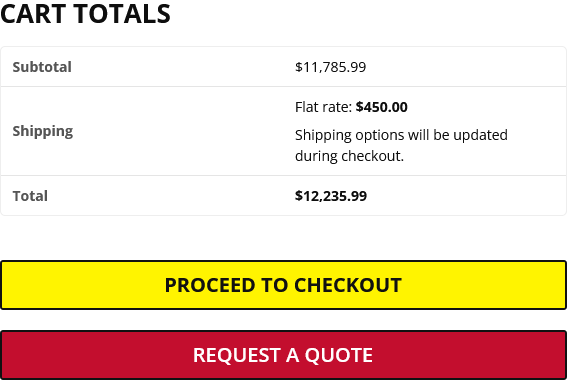
To request a formal quote, add all the products you’re interested in to your cart. Then go to your cart page and click the “Request a Quote” button to fill out a short form and receive your detailed quote via email.

Example:

Cart Preview